
Key Takeaways
- Digital HR tools automate routine tasks, freeing up time for strategic initiatives.
- They improve payroll accuracy and compliance, reducing costly errors.
- Enhanced employee engagement and retention are achieved through better HR management.
- Scalable solutions allow small businesses to grow without overhauling HR systems.
Table of Contents
- Enhanced Efficiency and Productivity
- Improved Accuracy and Compliance
- Cost Savings
- Better Employee Engagement and Retention
- Scalability
- Data-Driven Decision Making
- 24/7 Accessibility
- Conclusion
In today’s dynamic small-business landscape, organizations are increasingly relying on digital HR tools to streamline operations and build more engaged, productive teams. As technology evolves, having the right tools in place can revolutionize how businesses recruit, retain, and support employees. Exploring solutions like HR management software for small businesses can be a pivotal step towards operational excellence.
Automating HR functions is not just about efficiency; it is about empowering HR professionals and business leaders to dedicate more attention to strategic growth opportunities rather than repetitive administrative duties. As the market shifts towards remote and flexible work, digital HR systems can foster greater workplace satisfaction and ensure compliance with ever-changing regulations.
The shift to digital tools offers not only a path toward easier compliance and lower error rates but also sets the stage for unique advantages in employee engagement, scalability, and analytics-driven decision making. Modern solutions address both daily HR operations and long-term workforce management.
For small businesses aiming to succeed in a competitive environment, adopting digital HR systems is becoming less of a luxury and more of a necessity. Companies that embrace these tools can experience direct impacts on their productivity, retention rates, and bottom lines.
Enhanced Efficiency and Productivity
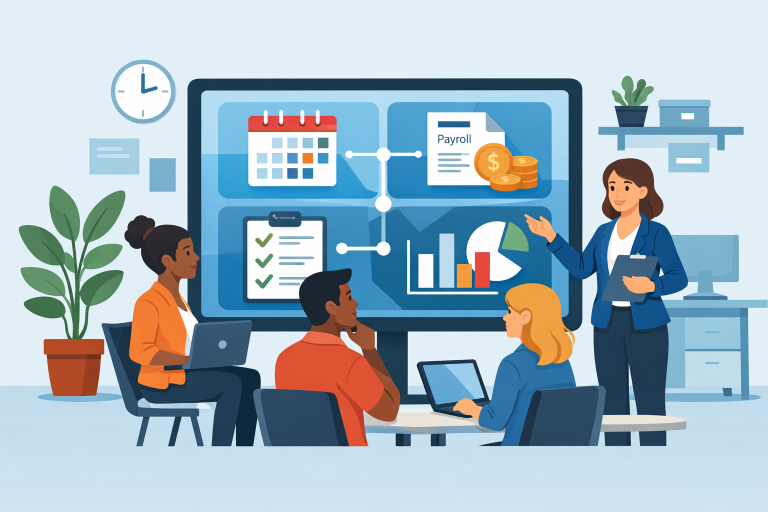
Implementing digital HR tools can dramatically enhance operational efficiency for small businesses by automating repetitive tasks such as payroll, benefits administration, and employee time tracking. These systems allow HR professionals to reduce manual input and paperwork, enabling them to allocate more time to workforce development and other high-priority areas. A survey by UKG and HR.com found that more than one-third (36%) of small to mid-sized businesses are using virtually no HR technology or are at the foundational level, revealing a prime opportunity to unlock major efficiency gains through digital adoption. Those already leveraging these technologies have reported more streamlined processes and improved productivity across the board.
Improved Accuracy and Compliance
Errors in HR processes, such as payroll inaccuracies or regulatory noncompliance, can lead to costly penalties and a loss of employee trust. Digital HR tools significantly reduce the risk of errors by automating workflows and integrating compliance checks. For example, solutions like Gusto and Paychex seamlessly manage payroll calculations, tax filings, and benefits deductions to ensure both accuracy and compliance. Integrated systems also make it easier to adapt to changing legal requirements, helping small businesses stay up to date with regulations while minimizing the chances of oversight.
Cost Savings
Digital HR platforms offer small businesses the chance to minimize costs on multiple fronts. By automating tasks traditionally handled by larger or more specialized HR teams, these tools reduce labor demands and administrative overhead. Mistakes in payroll and benefits administration can be costly, but automation helps prevent them. According to Paychex research, 66% of small businesses using artificial intelligence in HR reported increased productivity, with many also noting that technology played a direct role in reducing operating expenses. The resulting efficiency allows for reallocating resources toward talent development or core business investments.
Better Employee Engagement and Retention
Employee engagement has become a central concern for small businesses, especially for those competing for top talent. Digital HR systems often feature user-friendly employee self-service portals, performance management modules, and regular feedback tools. These features give employees more visibility and control over their information as well as opportunities to provide input and receive recognition. Businesses that leverage these tools tend to see stronger engagement and greater employee satisfaction, which in turn correlate with higher retention rates. TriNet highlights that such systems make it easier for employees to access essential HR functions and to communicate transparently with management, thereby improving the workplace environment.
Scalability
Growing businesses often find their HR needs quickly evolving. A major advantage of modern digital HR tools is their inherent scalability; companies can easily add new functionality and support an expanding workforce without major infrastructure changes. As teams grow and business services diversify, digital platforms enable synchronization of recruitment, onboarding, tracking, and compliance across all locations and departments. This adaptability ensures small businesses remain nimble and well-prepared as they expand.
Data-Driven Decision Making
Access to real-time analytics is a crucial benefit of digital HR tools. Built-in reporting features offer insights into workforce trends, turnover rates, employee satisfaction, and recruitment efficiency. By analyzing this data, business owners and HR managers can make informed decisions about hiring, training, and overall strategy. Data-driven insights also help identify emerging issues and optimize processes for greater effectiveness, ultimately supporting business growth.
24/7 Accessibility
With the rise of remote and hybrid work models, having HR systems available around the clock is no longer a luxury but a necessity. Cloud-based digital tools enable employees and managers to access vital records, submit time-off requests, and update personal information anytime, anywhere. The flexibility provided by 24/7 accessibility enhances both support and service standards, contributing to a more responsive, agile HR function. According to a TriNet report, a majority of employees and employers alike expect always-available HR services, particularly as businesses transition to more flexible work arrangements.
Conclusion
Small businesses that integrate digital HR tools stand to gain far more than time savings; they create a foundation for sustainable growth built on accuracy, compliance, employee engagement, and actionable insights. Embracing digital transformation in HR prepares businesses to thrive in the competitive marketplace by delivering better experiences for both employees and leadership alike. As technology reshapes how we work, investing in digital HR systems is a step no growing business should overlook.