
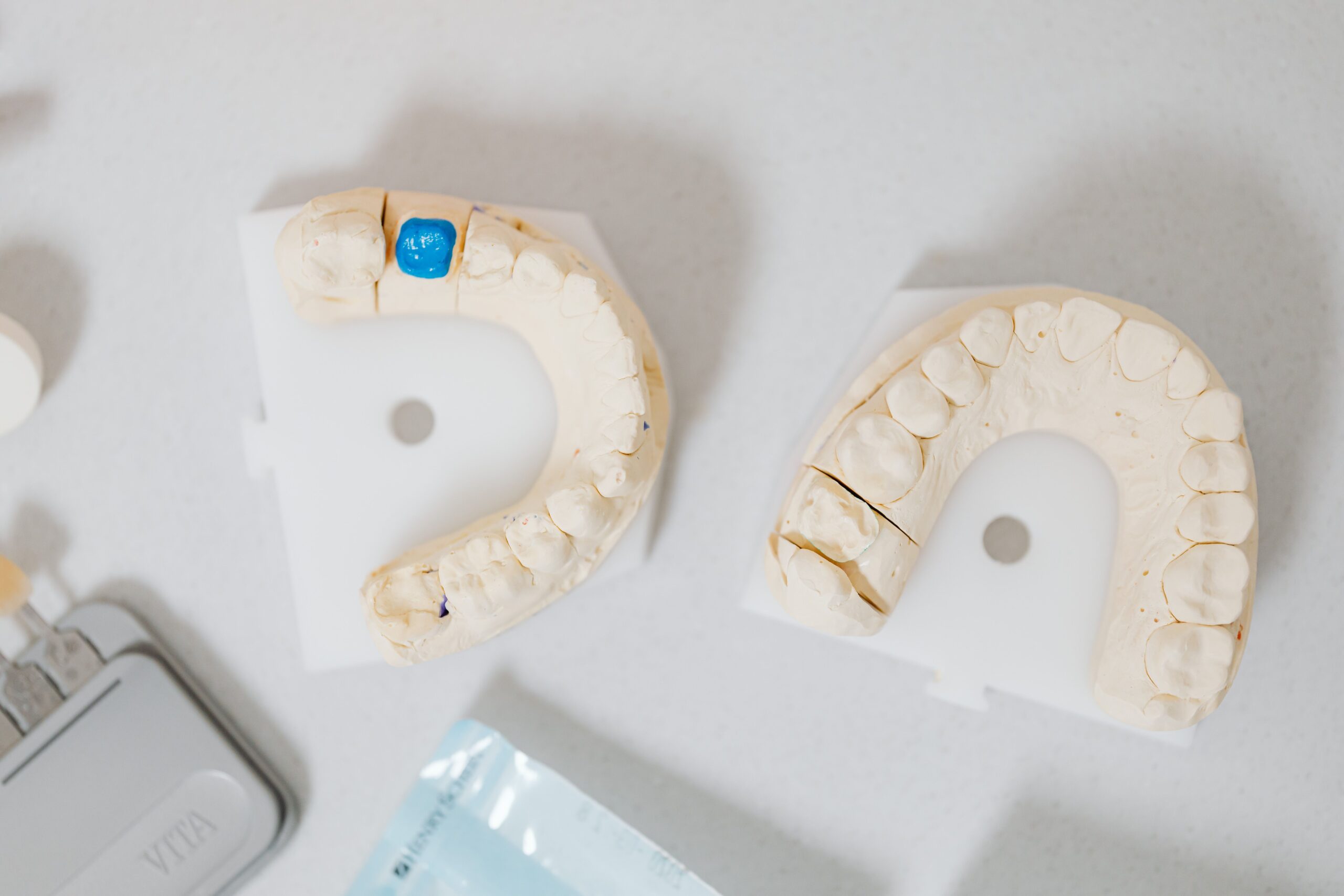
Dental crowns sound a bit clinical at first, yet they’re one of those treatments that quietly do a lot of heavy lifting. A crown can protect a tooth that’s cracked, worn down, heavily filled, or just not up to the job anymore. For many people across Australia, the decision is not only about fixing a tooth, but about finding something that feels comfortable, looks natural, and fits the budget without causing a small financial wobble at the dentist’s chair.
There’s no single “best” crown for everyone. That would make life far too simple. Different materials suit different needs, and what works for someone grinding their teeth in Brisbane might be a poor match for someone wanting a front tooth restoration in Melbourne that blends in beautifully under daylight and café lighting alike.
What a dental crown actually does
A dental crown is a cap that sits over a damaged tooth. It restores shape, strength, and appearance. Dentists often recommend one after a root canal, a large filling, a fracture, or when a tooth has lost enough structure that a filling just won’t cut it anymore. Think of it as a hard-wearing jacket for a tooth that needs protection and a bit of dignity back.
The good news is that crowns are not just about survival. They can also improve how a tooth looks. That matters more than people admit. A front tooth that chips slightly on a Sunday roast can feel like the only thing anyone sees at work on Monday. Human nature, really.
Porcelain crowns
Porcelain crowns are often chosen for their appearance. They tend to mimic natural teeth well, which makes them a strong option for front teeth. They reflect light in a softer, more tooth-like way, so they usually blend in nicely.
They suit people who want aesthetics front and centre. If the crown is going somewhere visible, porcelain has a good reputation for looking the part. That said, they may not always be the toughest choice for back teeth that deal with serious chewing pressure every day.
Porcelain-fused-to-metal crowns
These crowns combine a metal base with a porcelain outer layer. The result is strength with a more natural appearance than a full metal crown. They’ve been around for ages and still have their place.
They can work well for molars where durability matters, though sometimes the metal edge can become visible over time, especially near the gumline. For some patients, that tiny dark line is no big deal. For others, it’s enough to send them straight back to the dentist asking for a rethink.
All-metal crowns
All-metal crowns are usually made from gold alloy or other strong metals. They are not the prettiest option, and that is putting it politely, but they are extremely durable. They wear down less than many other materials and can handle chewing forces very well.
These crowns often suit back teeth where appearance is less of a concern. People who clench or grind may also benefit from the toughness. They are not the sort of crown that tries to win a beauty contest. They just get on with the job.
Zirconia crowns
Zirconia has become very popular in Australian dentistry, and for good reason. It is strong, modern, and can be made to look fairly natural. Some versions are more opaque, while others are designed for better aesthetics.
For patients wanting a balance between strength and appearance, zirconia is often a strong contender. It can work well for both front and back teeth, depending on the exact type. It’s a bit like the practical friend who still manages to look polished without trying too hard.
Composite resin crowns
Composite resin crowns are less common as a long-term crown solution, but they can be used in some situations. They are usually more affordable than other options and can be repaired more easily if chipped.
They may not last as long as porcelain or zirconia, so they suit certain short-term or budget-sensitive cases. If someone is weighing up the cost of tooth cap treatment carefully, resin may come into the discussion, especially when the tooth needs quick support.
How to choose the right crown
Choosing a crown is rarely about material alone. A good dentist will look at where the tooth sits, how much pressure it takes, whether the patient grinds their teeth, and what sort of appearance is expected. A crown for a back molar in Perth may not need the same cosmetic finish as a front tooth in Sydney.
Some key questions usually help:
Is the crown for a front tooth or a back tooth?
How much biting force will the tooth handle?
Is appearance a top priority?
Is the patient prone to grinding or clenching?
What is the budget for treatment?
The answers tend to narrow things down pretty quickly. If the tooth is hidden and does a lot of chewing, strength may win. If it’s right at the front and visible every time someone smiles in a meeting or at a family barbecue, appearance may carry more weight.
Strength versus appearance
This is usually the main trade-off. Strong crowns are great for function, but some of the toughest options are not the most natural-looking. A more aesthetic crown may look lovely, yet it might not be the best for a tooth under heavy pressure.
That’s why dentists often talk through priorities rather than handing over a one-size-fits-all answer. It’s a bit like choosing shoes. You can have the pretty pair, the sturdy pair, or, if the stars align, a pair that does both. Nice when that happens.
What about the cost?
Cost matters, and in Australia it can vary quite a bit depending on the material, the tooth involved, and the dental practice. Location can also play a role. A crown in a metro area may differ in price from one in a regional centre, and private health cover can shift the final amount too.
Cheap is rarely the right word to chase with dental work. Value is better. A crown that lasts and feels right can save headaches later, while a poor fit or weak material can lead to more treatment down the track. Nobody wants to pay twice if they can help it.
How long different crowns tend to last
Longevity depends on material, oral hygiene, diet, and habits like grinding or chewing ice. As a rough guide, metal and zirconia crowns often have excellent durability, while porcelain and composite crowns can still last well with proper care.
Regular brushing, flossing, and check-ups matter. So does avoiding the sort of habits that make dentists wince quietly, like opening packets with teeth. Efficient? Maybe. Wise? Not really.
What your dentist will look at before recommending one
Tooth position
Front teeth need a different balance of appearance and function than molars. That alone can change the recommendation completely.
Bite pressure
If the tooth is taking a lot of force, stronger materials usually get the nod. A tooth that carries heavy chewing load needs more than a pretty face.
Gum health
Healthy gums help crowns sit properly and look better over time. If the gums are inflamed or receding, that can affect the choice of material and finish.
Existing damage
The condition of the remaining tooth matters. A badly weakened tooth may need a material that gives extra support, while a more stable tooth has more options on the table.
A few practical tips before deciding
Ask what each crown material offers in plain language. If the explanation sounds too technical, push for something clearer. You’re the one wearing it, after all. It also helps to ask how the crown will be made, whether it will be matched to neighbouring teeth, and how long the process usually takes.
If the budget is tight, be upfront about it. Dentists are used to balancing priorities. They know not everyone wants a lecture on materials that sounds like a lab seminar. Sometimes a clear, honest chat gets the best result.
Choosing a crown with confidence
The right crown is usually the one that fits the tooth’s job, matches the smile, and makes sense for the patient’s circumstances. For some Australians, that means a strong zirconia crown. For others, porcelain is the better cosmetic match. And for teeth tucked away at the back, a metal crown may quietly do an excellent job for years without fuss.
There’s no grand mystery to it, just a careful match between tooth, material, and expectation. Once that’s sorted, the whole thing becomes much easier to live with. And really, that’s what most people want from dental treatment anyway: something that works, looks decent, and lets them get back to ordinary life without thinking about the tooth every five minutes.